
Understanding what Seniors need to know and communicate about medications – a health care system reality check
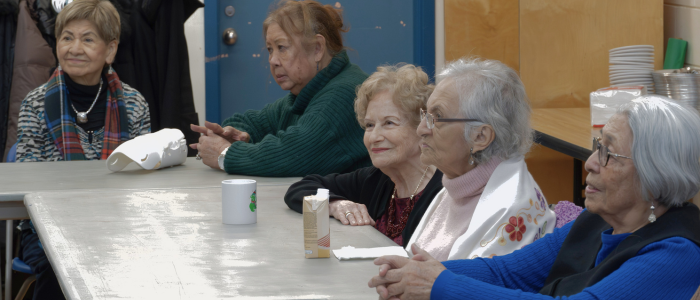
This joint project between the Access Alliance Research Department and the Open Door project focused on creating a new presentation for seniors about medication, medication compliance, medication use, medication reconciliation and review, why it is important to share accurate information about medication with providers, etc. We set out to build a workshop and simple tools to help seniors better understand and manage their medications.
What we understood
Our understanding of seniors’ medication practice is that:
- Seniors are on a lot of medications
- They tend to self-medicate. At times, their prescriptions are not taken as prescribed.
- They share medication informally.
- They take herbal meds/supplements without always sharing with health providers, which might interact and have unwanted effects.
- When they see various specialists, medications might change, the primary care provider may not be aware, and many potential problems can arise.
What we did
To better understand their perspective and interest in a medication awareness workshop, we ran four focus groups with seniors. The goal of these focus groups was to gather input to help develop a workshop and simple tools to help seniors and caregivers better understand medications, how to talk to doctors and pharmacists, how to avoid confusion, and how to safely keep track of medicines. Each session focused on sharing a potential workshop agenda, hearing seniors’ stories and thoughts, what’s worked for them, what’s been confusing, and what they wish health providers would explain more clearly about medication.
Ninety-five seniors participated in 4 sessions. All participants, as well as staff at host organizations, indicated they would be interested in the workshop when it is developed.
The 95 seniors we spoke to give us a health care system reality check. We learned how seniors feel about medication and their preferred relationship with health care practitioners.
Seniors have many questions about and frustrations with how they are medicated and treated by health care professionals. They don’t trust their health care providers. They don’t feel cared for or understood. An informal literature review confirms deep issues with how seniors engage with the health care system around medication and beyond.
What we learned
The most common and pressing medication information needs among seniors’ centre on safety, efficacy, practical administration, and the ability to control or reduce their reliance on drugs. Seniors are sophisticated and specific about what they want to know. They do not feel their concerns or questions are being adequately addressed or even seriously considered by prescribers.
Main medication-related themes:
- High Demand for Specific Medication Information and Management – all groups had questions related to the practical application and safety of their medications, including reducing/stopping medication, and medication lists and reviews.
- Understanding Side Effects and Impacts on Well-being – Seniors prioritize detailed, individualized information regarding the physical and quality-of-life impacts of their prescriptions, including identifying, understanding, and managing side effects, getting information specific to them, not just generic side effect information, and solutions to medication impacts on their lifestyle and sleep routines.
- Guidance on Stopping, Reducing, and Reviewing Prescriptions – a major frustration is the perceived indefinite nature of their medication use, leading to frequent questions about when and how they can safely stop taking drugs, wanting to have better re-testing schedules to determine if the medication is still needed, and alternatives to medication, such as lifestyle, diet, or other alternatives.
- Practical Administration and Dosage Clarity – Seniors require precise instructions for the physical handling and scheduling of their drugs, including dosage and timing, how to manage their increasing pill volume, handling old or expired medication, and having instructions that are easier to understand.
- Interactions with Supplements and Herbal Remedies – Seniors are often taking vitamins, supplements, or herbal/culturally-specific remedies, but they face a significant information gap because they feel doctors discourage this use, so they do not disclose use and therefore don’t know how their prescriptions may interact with remedies or other over-the-counter drugs.
- Clarity on Drug Quality and Substitution – Concerns exist regarding whether the medication they receive is the specific drug prescribed (i.e. generic vs name brands), and if alternatives are of equal quality.
As we discussed medication concerns, a recurring, and importantly related, theme focused on their relationship with their primary care provider (consistently referred to as their doctor). According to Seniors, doctors provide short, quick, authoritative, and sometimes dismissive communication. Participants across groups feel that doctors do not respect them, do not care about seniors, and often dismiss their concerns. Trust is essential, yet often lacking.
However, when it comes to medication information and support, many have come to see pharmacists as accessible, reassuring, and reliable resources for medication management. However, Seniors report that they sometimes receive conflicting information (e.g., different medications than those prescribed) from Pharmacists.
Seniors would like a single, trusted person to guide them through the complexities of their prescriptions and quality of life.
What we’re doing
We have created a presentation about medication for Seniors that we will be offering to our community. We’ll also offer it as part of a series, along with an existing presentation about having better conversations with health care providers. What we learned in this project will inform how we run those workshops, to ensure that Seniors have the space to share their concerns.
We also realized that the next generation of prescribers (Nurses, Nurse Practitioners, Doctors) and those who prescribe (limited but emerging), fill prescriptions, and are part of the healthcare team (Pharmacists) need this information. We are working on a classroom presentation for emerging practitioners. We will reach out to institutions, academics, and professors/lecturers to share this lived experience.
Find more information in our focus group summary document: